
Peet biology teacher offers suggestions for using AI in school
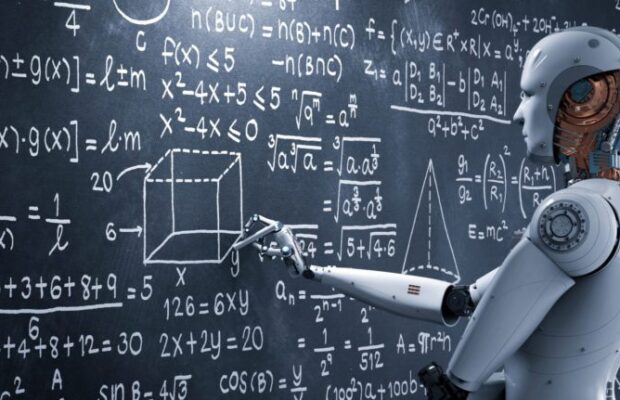
For educators, AI tools have quickly become invaluable time savers. Rather than replacing traditional teaching, tools like NotebookLM, ChatGPT and MagicSchool are being used behind the scenes to enhance student engagement and lighten administration tasks.
“I’ve used NotebookLM to create podcasts with note sheets to help keep the kids engaged,” explained Peet eighth grade U.S history teacher Bethany Mix. She noted that AI also helps her handle routine formatting work, such as designing Google Forms or making work sheets and slide presentations easier for students to read and comprehend.
While teachers embrace AI for efficiency, student use is strictly controlled. In most classrooms AI isn’t an option for general assignments, though teachers occasionally allow it for specific tasks like summarizing complex sources, generating images or clarifying difficult concepts.
However, when students cross the line and use AI to generate answers, teachers report that dishonest assignment turn-ins are surprisingly easy to catch.
“The dead giveaway is the use of dashes or language, vocabulary, and events that we have not talked about in class,” she said. “You can also tell because students don’t change their font to match, or copy and paste the prompt into their document.”
The distinction between acceptable assistance and dishonesty comes down to who is doing the actual thinking. Using AI to clean up grammar, brainstorm or clarify concepts is considered helpful assistance. Relying on AI to formulate answers or make entire essays crosses directly into cheating.
This distinction highlights a double standard in how AI impacts different age groups. While the technology helps teachers work more efficiently, educators worry it is having the opposite effect on student minds.
“For students it is becoming harmful,” Mix said. “They are learning to be dependent on a piece of technology to do the learning for them or gather information. I fear that they are using information from AI that is not being fact-checked.”
She also said that heavy reliance on these tools prevents students from practicing higher thinking skills which require time and effort to develop.
Despite these concerns, educators don’t believe banning AI altogether is a realistic or effective solution. Because teenagers will inevitably encounter AI outside of school, teachers advocate for clear instruction on responsible use.
“Yes, I think schools should help teach students how to use AI effectively,” she said. “As teachers, who are still learning the boundaries and capabilities of AI, we can’t expect teenagers to know how to use it responsibly.”
For students navigating this tricky area, her final advice is straight forward: always ask your teacher before using an AI tool on an assignment.
“If they are uncomfortable asking clarifying questions, always err on the side of caution and do not use it.”
You may also like...


-
Peet spreads kindness to every corner on special day
Peet Junior High hosted their second annual kindness day on Friday, Oct 16. For the entire day, the students were dedicated to spreading kindness to the people and community...


You must be logged in to post a comment Login