
Teens building valuable skills in part-time jobs
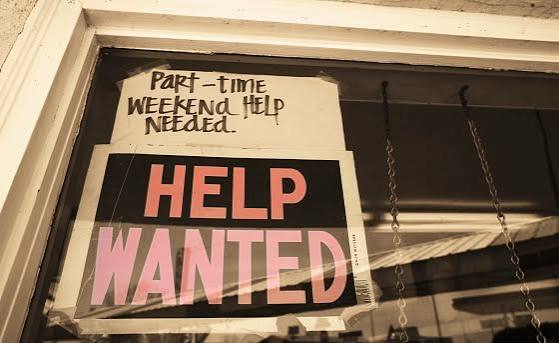
For high schoolers in Cedar Falls, getting your first job is usually about one main thing, getting money. But after working a few shifts, you realize pretty quickly that it comes with a huge learning curve. From dealing with rude customers to figuring out tasks that sound way easier than they actually are, students are learning a lot of real-life lessons that go way beyond just getting paid.
Whether it’s working retail or food service, almost everyone’s first job comes with weird challenges and a few small mistakes along the way.
For senior Aja Jusufovic, who works in retail, even the things that sound simple on paper ended up taking a while to be good at.
“Straightening up the store was something I thought would be super easy,” Jusufovic said. “Essentially it’s just going through the store and making sure none of the hangers are sticking up, but it’s somehow insanely tiring because there’s just so much to do. It took a while for me to figure out the best way to go about it.”
Besides learning how to keep the store organized, Jusufovic picked up practical life skills like counting money quickly, spotting fake hundreds, and building confidence with older co-workers.
“At the beginning I was really shy with my coworkers because they were all older than me,” Jusufovic said. “Now I’m super outgoing and able to have real, good conversations with them. I’m actually good friends with some of them now.”
When it comes to customer service, almost everyone agrees that dealing with annoyed people is one of the hardest parts of working. When customers start getting aggressive, student workers have to improvise fast.
Senior Nyla Martinez has a few quick tricks when interactions get tense, like using a higher pitched friendly voice or telling people it’s her first day to calm them down before getting the owner. She also mentioned that simple things like making ice cream cones took way more practice than expected, but the fast pace taught her how to memorize things quickly and multitask under pressure.
“I act more like a manager now,” Martinez said, noting that having a job forces her to plan her schedule out ahead of time. “I multitask more and plan homework around my job.”
Handling a crazy rush is another thing every student worker has to figure out. While Martinez usually copes by staying late to catch up and fix everything, Jusufovic takes a more relaxed approach to keep from stressing out.
“It always gets done eventually,” Jusufovic said. “When it’s busy we don’t need to worry about trivial things that can easily be put away.”
For junior William Groen, his first job was a major wake-up call about responsibility, workplace stress and why balancing life matters.
“My first job taught me discipline, multi-tasking and the importance of education,” Groen said. “Being one person short makes everybody’s day more difficult. People rely on you.”
Looking back, Groen regrets two big mistakes from when he started out: accepting the first pay offer without asking for more, and working over 30 hours a week while still trying to handle high school.
“Time is money. If you are going to spend your time working, you should do it for the right price,” Groen said. “Working 30+ hours a week as a high school student makes everything more difficult. Always make time for your loved ones, and don’t let a paycheck take away your bonds.”
He also pointed out that keeping cool in customer service requires a lot of self-control, especially when people go out of their way to be difficult.
“At every job, there are always customers that go out of their way to be problematic,” Groen said. “While I would handle these situations much differently outside of work, the skill required to handle them comes in very handy throughout life.”
He said, “When things get busy and overwhelming, the best thing you can do is stay calm, lock in and focus.”
At the end of the day, having a job in high school isn’t just about stocking shelves or making food. It’s a real-world practice in managing time, talking to people, and learning how to handle stress. Skills that stick with students long after their shifts end.
You may also like...



-
Peet spreads kindness to every corner on special day
Peet Junior High hosted their second annual kindness day on Friday, Oct 16. For the entire day, the students were dedicated to spreading kindness to the people and community...


You must be logged in to post a comment Login