
Balancing involvement in athletics can directly improve academic success
Across high schools nationwide, the sound of squeaking sneakers, sharp whistle blows and roaring crowds signals far more than just the arrival of game day. For millions of student-athletes, participation in organized school sports is a defining pillar of their teenage years. It shapes their daily routines, dictates their social circles and molds their identities during some of the most formative years of their lives.
But beyond the gleaming trophy cases, varsity jackets and championship banners, what is the true, measurable impact of athletics on youth involvement?
A deep dive into current educational research, developmental psychology and direct student experiences reveals a complex, multi dimensional picture. While sports offer undeniable, lifelong benefits for physical health, academic achievements and personal growth, they also demand a rigorous balancing act that can push young people to their absolute limits.
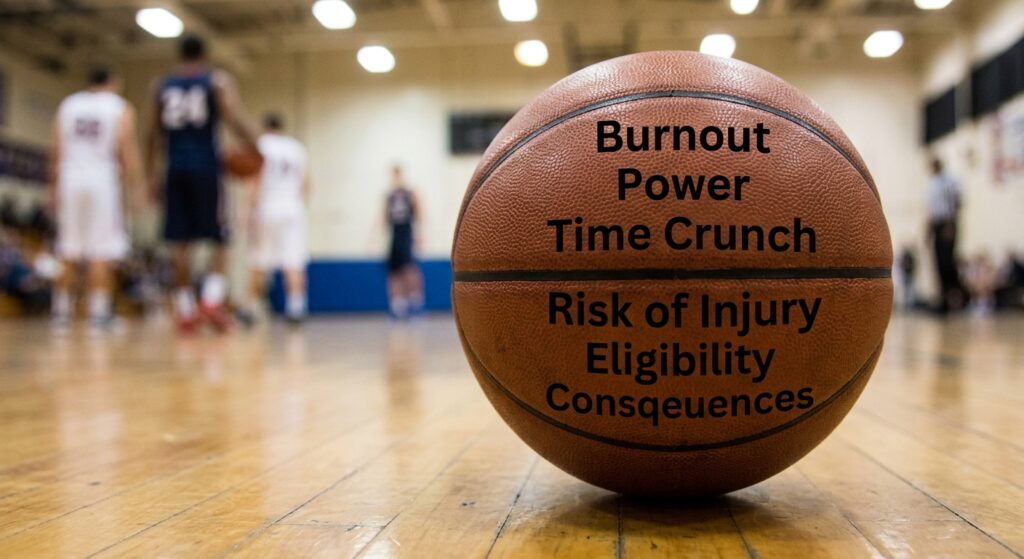
THE PHYSICAL AND MENTAL FORTRESS
For most students-athletes, joining a team provides direct advantages that extend far beyond the gym floor, track or field. The physical benefits are well-documented, but the psychological effects are proving to be equally profound.
Cardiovascular Fitness and Habit Formation
Daily practice and dynamic movement deliver obvious fitness benefits, ranging from improved cardiovascular health and muscular strength to enhanced motor skills and agility. More importantly, establishing a rigorous exercise routine during adolescence creates physical habits that frequently persist into adulthood, reducing long-term risks of chronic health conditions.
The Biological Stress Value
In an era where adolescent stress and anxiety rates remain at elevated levels, physical exertion serves as a critical biological release valve. High intensity movement triggers the release of endorphins while simultaneously reducing body levels of stress hormones like cortisol. For many students, the two hours spent at practice function as a vital mental reset—-a structured space where the pressures of college applications, exams and social media fade into the background.
Staying active is essential for mind and mood, giving us a constructive way to release stress and process big emotions as sophomore Kylie George said, “Engaging in regular physical activity provides vital mental and psychological benefits, offering a healthy outlet for stress relief and emotional expression. Sports build resilience by teaching athletes how to handle loss, overcome adversity and reframe failure as an opportunity for growth. A constructive team culture reinforces a positive mindset, helping individuals develop the confidence and mental toughness needed to navigate everyday challenges.”
DISPELLING THE MYTH : ACADEMICS AND ATHLETICS
Contrary to the outdated “dumb jock” stereotype, empirical studies at it says in .Comparison of Academic and Behavioral Performance , consistently show that student-athletes often maintain higher grade point averages, experience fewer disciplinary incidents and demonstrate higher graduation rates than their non-athletic peers.
The Power of Grade Eligibility
Grade-eligibility policies (often referred to as “No Pass, No Play”) enforce a strict standard: students must maintain a minimum GPA to step onto the field. This requirement provides an immediate, tangible incentive for students to keep up with coursework, complete assignments on time and seek academic help when struggling.
Grade-eligible policies reinforce that students-athletes are students first, creating a built-in incentive to stay focused in the classroom and reach out for support before falling behind. Emphasizing this academic priority and the daily effort required to stay eligible, cross country coach Brett Egan said. “Classes come first, and grades come first, so if you want to see a real improvement in your current grade, we need to take a look at your schedule and see if you have a study hall available where you can focus, get organized and build a consistent plan to succeed. Remember, we aren’t aiming for just one specific letter grade, but rather continuous effort and measurable growth in every single subject.”
Cognitive Enhancement Through Movement
Beyond policy incentives, the physical act of exercise directly benefits brain function, according to MercyOne . Aerobic activity increases blood flow to the brain, particularly enhancing the prefrontal cortex—the area responsible for executive function, focus, goal-setting and memory retention. The discipline required to memorize a playbook, execute precise strategic plays and focus under intense pressure transfer directly to academic environments like exams and complex problem-solving.
SOCIAL INTEGRATION AND LIFE SKILL DEVELOPMENT
The locker room and the playing field function as unique classrooms where abstract concepts like leadership, accountability and empathy are put into practice daily.
- Communication Under Fire: Teammates must learn to communicate clearly and instantly in high-stress, fast moving situations. They learn to navigate differing personality types, resolve internal conflicts and unite behind a shared target.
- Resilience in Defeat: Competing forces young people to confront failure in a public space. Learning how to process a tough loss gracefully, analyze errors without defensiveness and return to practice the next morning builds emotional resilience that translates directly into future personal and professional challenges.
- Cross Demographic Bonds: Athletic teams frequently bridge social, economic and cultural divides within a school population, bringing together students who might otherwise never interact in standard academic tracks.
The real value of high school sports goes beyond wins and losses; it is found in how competition teaches young people to communicate under pressure, rise above defeat and connect across different backgrounds. Capturing this lasting impact, as Harper Perkins said, “Participating in sports naturally brings people together from diverse backgrounds, creating shared experiences that break down social barriers and foster deep empathy. Teammates learn to communicate under pressure, trust one another and celebrate collective victories while supporting each other through set-backs. These shared challenges form tight- knit peer networks and lifelong friendships, providing a strong social foundation both on and off the field.”
THE OTHER SIDE OF THE MEDAL: TIME< PRESSURE, AND RISK
Despite the clear perks, participating in competitive school athletics presents real physical, metal and logistical hurdles.
The Time Poverty Trap
Balancing two-to-three-hour daily practices, long travel schedules for away games, rigorous homework loads and family life creates severe time scarcity. Student-athletes often find themselves eating dinner late at night and sacrificing essential sleep to keep up with academic
demands. Over time, chronic sleep deprivation leads to reduced immune function, decreased academic performance and emotional instability.
While managing intense schedules can lead to exhaustion, navigating these demands also pushes students-athletes to build structure and resilience early on. Reflecting on how these pressures ultimately foster long-term discipline and balance, as junior Carlie Martin said, “The discipline required in athletics directly supports academic growth and personal development. Balancing practice schedules, games, and travel with schoolwork teaches essential time management and organizational skills. Additionally, meeting academic eligibility requirements often serves as a powerful motivator for students to stay focused on their studies, learning early on how to prioritize responsibilities and mature through real- world experience.”

Physical Strain and Injury
From minor acute injuries like ankle sprains and muscle pulls to severe conditions such as concussions, tear injuries and chronic overuse syndromes, physical strain is an ever- present risk. In competitive environments, young athletes may feel internal or external pressure to hide injuries or return to play before fully healing, risking long-term physical complications.
Burnout and Identity Over-Investment
When an adolescent’s entire self-worth becomes tied to their athletic performance, the stakes of every game become dangerously high. Intense expectations from coaches, parents or self-imposed demands can transform a passion into a primary source of severe anxiety. When an injury or retirement occurs, athletes with a narrow identity often experience significant psychological distress and loss of purpose.
THE PATH TO SUSTAINABLE ATHLETICS
School sports remain one of the most powerful catalysts for holistic teenage development, offering irreplaceable lessons in health, leadership and community. However, maximizing these benefits while mitigating the risks requires intentional, systemic support from schools, families and athletic departments.
In Jaden Merrick reported in this previous article for the Tiger Hi-Line, Athletes wrestle with mental health too :
The key to a healthy high school athletic culture lies in balance:
- Prioritizing Rest and Recovery: Coaches and administrators must design schedules that respect the physical limits of growing bodies and the academic workloads of students.
- Promoting Multi-Dimensional Identity: Encouraging young people to explore diverse interests outside of sports ensures their self-esteem isn’t reliant slowly on athletic outcomes.
- Fostering Mental Health Resources: Normalizing discussions around burnout, stress and injury recovery helps maintain a healthy athletic environment where winning never overshadows student well-being.
School sports drive teenage health, leadership and community. To maximize benefits and protect student well-being, schools must balance athletic challenges and push students past their comfort zones, building confidence to succeed in every area of life, said sophomore Candice Hawthrone, “Stepping onto the field or trying a new sport encourages individuals to push past their comfort zones and embrace new challenges. As athletes dedicate time to mastering new skills and setting personal goals, they experience performance, instilling a belief in one’s ability to tackle unfamiliar tasks and succeed across all areas of life.”
Consequences of Students Acts
When student- athletes face consequences—whether from academic eligibility policies, disciplinary benchings or season-ending injuries—the impact reaches far beyond the individual player. On the court and field, sudden roster losses force coaches to overhaul game plans overnight, frequently thrusting less experienced players into high-pressure roles and disrupting team chemistry. Beyond strategy, these disruptions shift the broader sports program’s dynamic: strict academic standards can instil a lasting culture of accountability, but severe setbacks can also drain team morale and strain school resources through the need for expanded tutoring and injury rehabilitation support. Ultimately, how a program navigates these consequences defines whether athletics serves as a fair, supportive environment or a high-stress pressure cooker for the student body.
While navigating roster shifts and high-stakes consequences can disrupt team dynamics, maintaining proper boundaries remains key to preventing total overload for student-athletes. Highlighting how intentional balance helps athletes handle these pressures without burning out, as Angie Wagoner Spanish teacher said, “While athletics offer numerous advantages, maintaining a healthy balance is essential to prevent potential drawbacks like burnout or falling behind in school if time isn’t managed intentionally. By setting clear boundaries, prioritizing recovery and keeping broader personal goals in view, an athlete can effectively mitigate these risks and enjoy a well-rounded experience.”
You may also like...



-

Ghost Tours come to the downtown Cedar Falls
The Cedar Falls Ghost Tour is a 90-minute, one-mile walking tour through historic downtown Cedar Falls. For $24.80, on Oct. 22 and 29 from 7:30-8:30 p.m., tour coordinator Lauren...


You must be logged in to post a comment Login